
On Therapeutic Patience
inspired by Winnicott

The principle is that it is the patient who has all the answers. -DW Winnicott
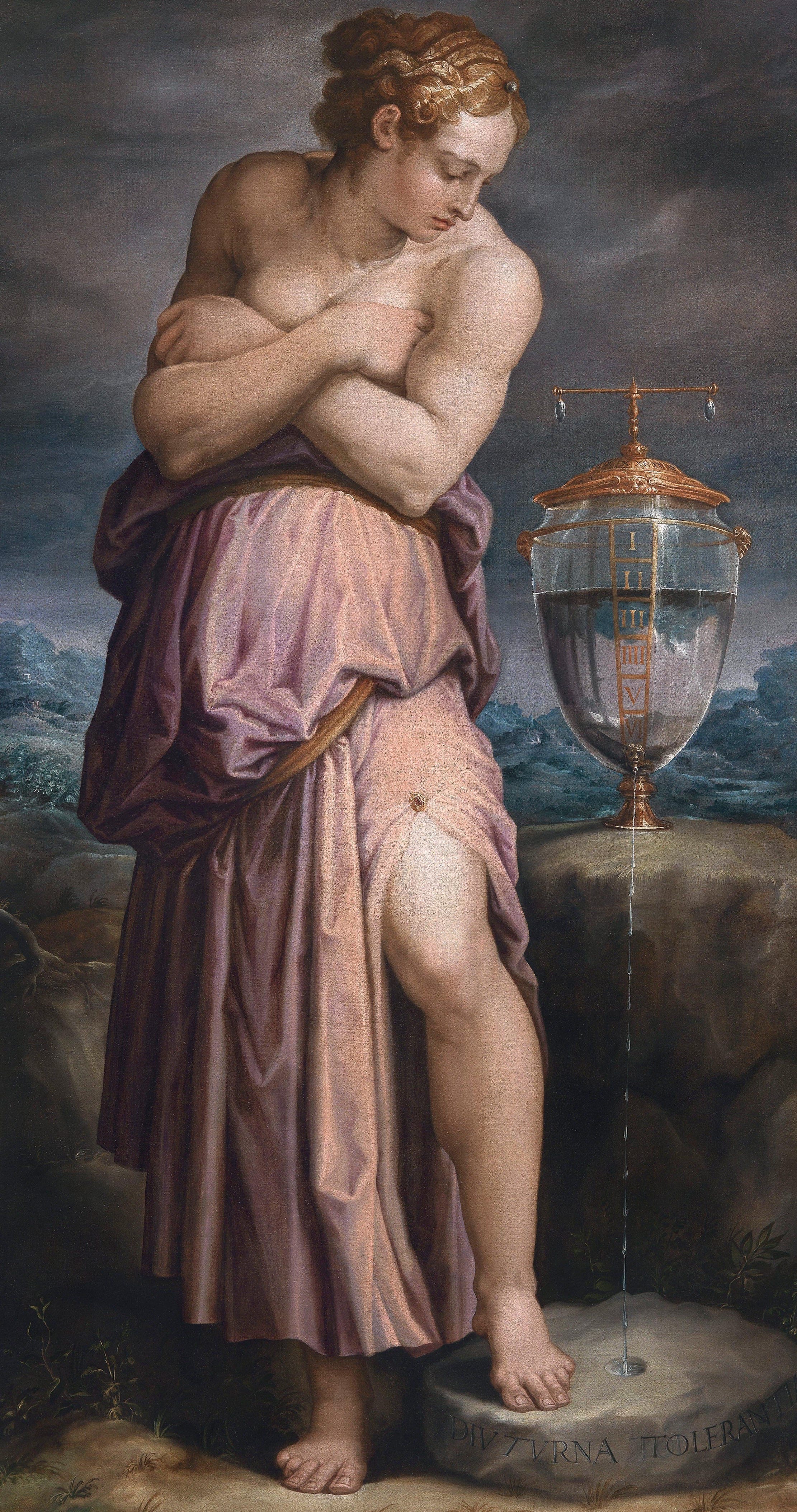
In the opening of the Metaphysics, Aristotle observes, “All human beings by nature yearn for understanding.” (When I was teaching, many students took issue with this, arguing in effect, ‘Just look around!’) Aristotle’s observation expresses a core tenet of humanism: that human beings naturally desire to learn and grow and become their better selves—barring misfortune and overwhelming obstacles.
Which brings me to the theme of this week’s note, which is patience, and in particular therapeutic patience. The patience you have (in theory, anyway) when you actually believe that people want to learn and grow and wake up to the truth of their existence.
How we practice psychotherapy, how we teach and parent and lead others, depends in part on whether we agree with Aristotle and many others, including humanistically minded psychotherapists such as DW Winnicott and Carl Rogers, that we have a natural yearning to grow into our true selves.
If we agree about this premise, we will infer that much of our work—as parents, teachers, or therapists—is that of a midwife, a role Plato reflected on deeply. (See my essay, The Barren Midwife: on Socratic Method and Psychotherapeutic Art.) In this light, we risk becoming one more obstacle to others’s growth if we try to shape them according to our own image of what’s best.
The much harder thing to do—and it’s an art actually—is to sit on our hands. To do less, or nothing at all. To shut up and listen, with our whole mind and heart. To do this requires trusting that the person we’re working with has much of what they need within them. And it requires patience not to prematurely supply it ourselves.
It’s hard because we want not just to be helpful, but to seem to others and ourselves helpful. Not to mention clever and knowing. But what if the cost of sharing my interpretation about a patient’s true situation is to deprive them of a different kind of help, namely, help finding their own way, having their own insights, and deciding for themselves what their aims are. The kind of help a therapeutic midwife provides. Therapists and parents often don’t like to be reminded of this, but being too helpful can be as harmful as being neglectful.
This brings me to the gift I have for you this week, which is a beautiful, challenging reflection from the British psychoanalyst DW Winnicott. The more experience I gain, the more I’m inclined to agree with Winnicott—and with his caveat, that what he’s saying applies to “patients of a certain classification.”
What I have to say in this paper is extremely simple. Although it comes out of my psychoanalytical experience I would not say that it could have come out of my psycho-analytical experience of two decades ago….it is only in recent years that I have become able to wait and wait for the natural evolution of the transference arising out of the patient’s growing trust in the psychoanalytic technique and setting, and to avoid breaking up this natural process by making interpretations. It will be noticed that I am talking about the making of interpretations and not about interpretations as such. It appalls me to think how much deep change I have prevented or delayed in patients of a certain classification by my personal need to interpret. If only we can wait, the patient arrives at understanding creatively and with immense joy, and I now enjoy this joy more than I used to enjoy the sense of having been clever. I think I interpret mainly to let the patient know the limits of my understanding. The principle is that it is the patient and only the patient who has the answers.
Like me, many therapists (not to mention insurers!) will hardly be able to resist worrying about how extravagant and expensive Winnicott’s view is. But how to afford good therapy is a separate question from what good therapy is. We may also worry that we’re neglecting the patient by not giving them more tools and guidance. But again, what do we think they have in them? My frequent experience is that when I’m patient and keep my bright ideas to myself, the person finds their own way, and it’s a thousand times better for being their own.